

A hands-on medical internship experience designed for aspiring students who want to explore real clinical environments, build confidence, and learn from experienced medical professionals.
Enrol NowGain deeper exposure to the science, systems, and reasoning behind real clinical practice through a structured, high-intensity programme built for aspiring future doctors. This is not a classroom workshop. It is structured, applied medical training designed to mirror how doctors learn.


.svg)



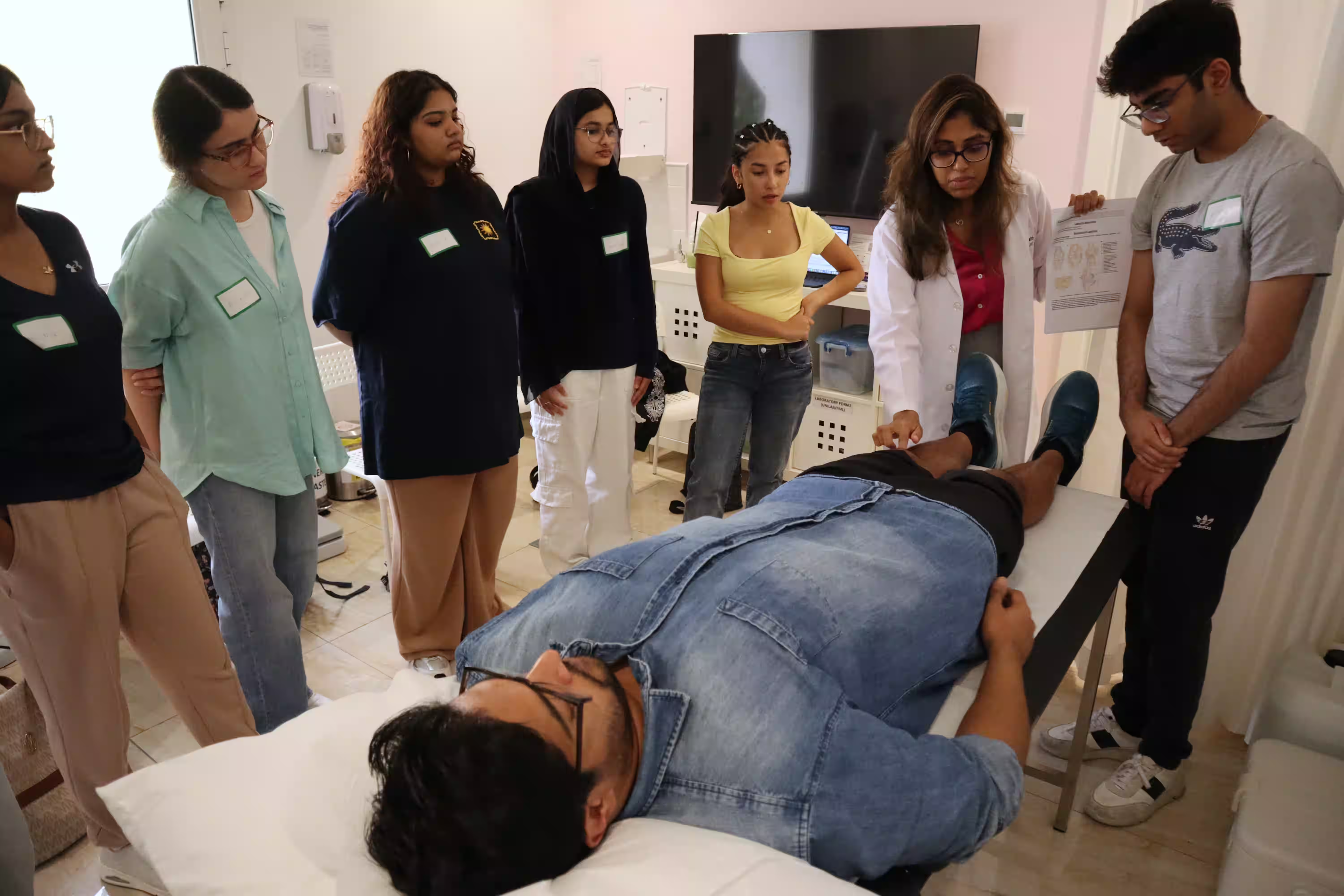
Over five days, students lead eight high-fidelity simulations across multiple specialities. They manage emergencies, make real-time decisions, communicate with patients and teams, and participate in structured debriefs that mirror real medical training environments.
Students begin in the emergency simulation suite, triage prioritisation, and structured emergency workflows. The afternoon features multi-casualty and acute cardiac simulations, with rotating leadership roles and detailed clinical debriefs focused on reasoning under pressure.
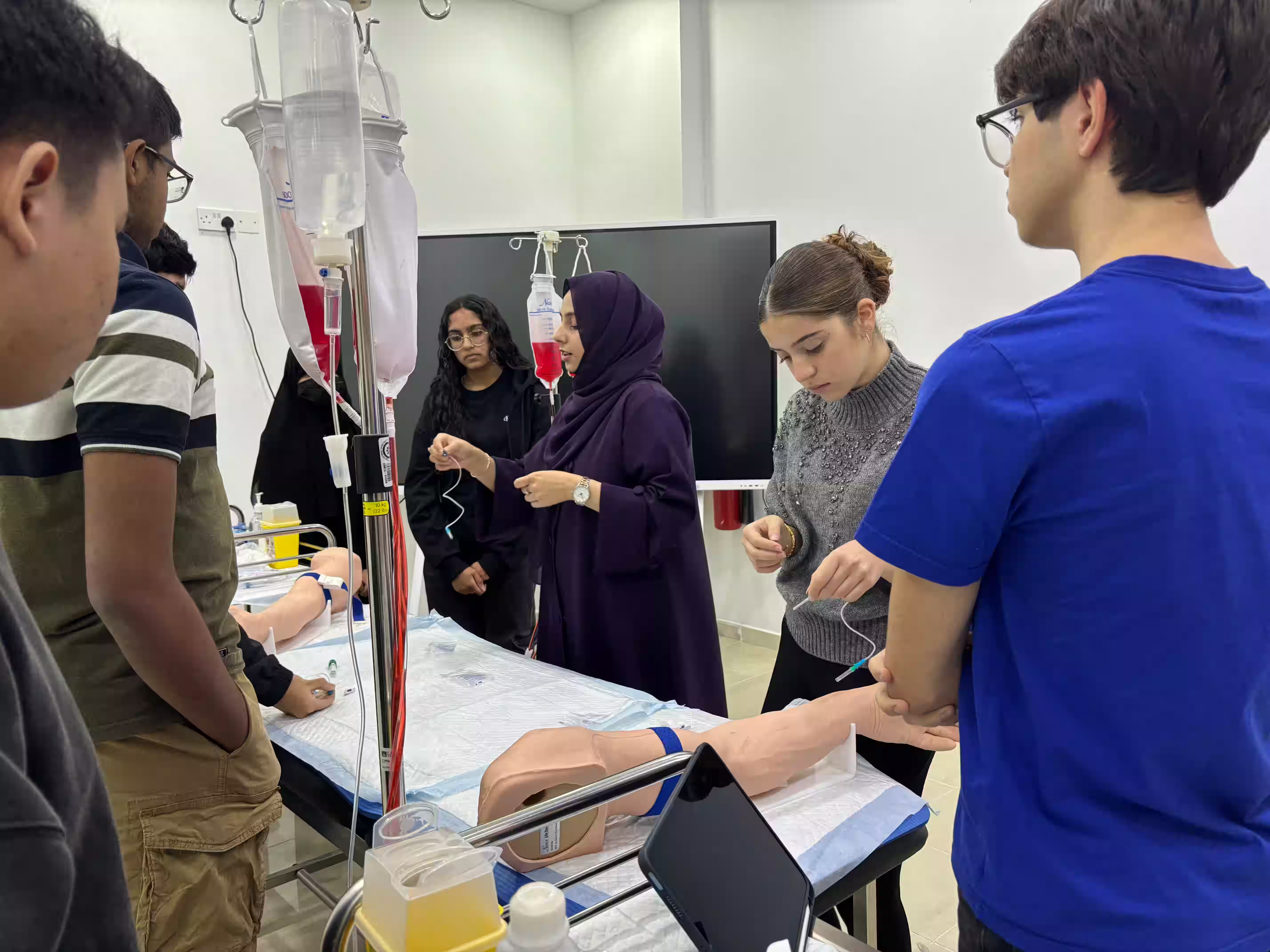
The surgical day develops sterile technique, suturing mastery, and operating theatre protocols within DMU’s skills lab. Students conduct pre-operative assessments and manage an intra-operative crisis simulation, strengthening communication, consent discussions, and real-time decision-making.
Students adapt clinical assessment for neonates, infants, and adolescents, recognising red flags and safeguarding concerns. The day includes a febrile child simulation, paediatric BLS certification training, and an adolescent mental health case exploring confidentiality and risk assessment.
Students leave with: Official certification, a personalised development plan, a structured medical school applications workshop, and clear portfolio-ready experiences to discuss in interviews
Work inside DMU’s high-fidelity simulation labs using professional-grade equipment. Manage deteriorating patients, respond to emergencies, and practice coordinated team responses in realistic hospital-style settings.
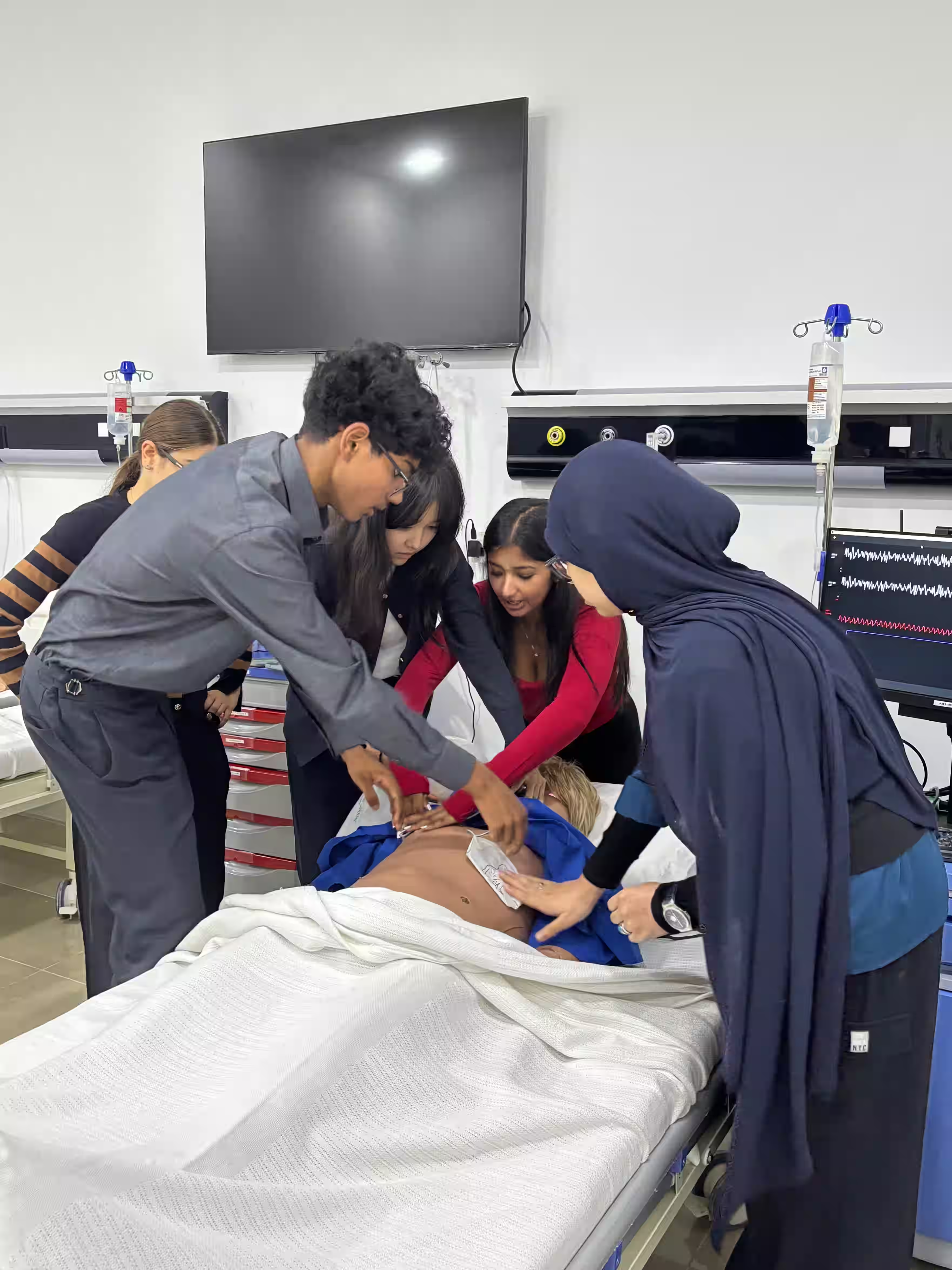
Engage in multi-layered patient cases that require differential diagnosis, prioritisation of investigations, and treatment planning. Students must analyse symptoms, interpret findings, and make time-sensitive decisions.
Strengthen your ability to think clearly and act decisively in dynamic scenarios. Emphasis is placed on communication, teamwork, delegation, and structured problem-solving.
Complete the form below and our team will contact you with workshop details, availability, and next steps for enrolment.
Enrol NowEmbark on a transformative journey with Fraser's, where GAMSAT preparation is more than just studying. With us, you get a personalised support system through one-on-one mentorship and private tutoring. Our GAMSAT resources, honed over the years and backed by data, are always up-to-date and at your fingertips. Choose Fraser's for a GAMSAT experience that's tailored, dynamic, and empowering.
Embark on a transformative journey with Fraser's, where GAMSAT preparation is more than just studying. With us, you get a personalised support system through one-on-one mentorship and private tutoring. Our GAMSAT resources, honed over the years and backed by data, are always up-to-date and at your fingertips. Choose Fraser's for a GAMSAT experience that's tailored, dynamic, and empowering.
The time required to prepare for the GAMSAT can vary based on individual factors such as your academic background, pace of study, and desired score. Generally, we recommend allocating 2 to 4 months for dedicated and structured preparation.
For a comprehensive guide on planning your GAMSAT study schedule, we invite you to read our article on GAMSAT preparation.
Absolutely! At Fraser's, we welcome you to access our Fraser's Learning Academy. It's our innovative Learning Management System (LMS), constantly updated and featuring our advanced AI technology that tailors content recommendations to your individual needs.
The Learning Academy includes a free GAMSAT question bank, a comprehensive Atlas for Sections 1, 2, and 3, and a collection of educational webinars. This gives you a unique opportunity to experience the quality and variety of resources we provide for effective GAMSAT preparation.
Yes, at Fraser's we are committed to making GAMSAT preparation accessible to all. We offer a variety of scholarships and discounts on our GAMSAT courses. To find out more about the available opportunities and how to apply, please email admin@frasersmedical.com.au.